Home Studio vs. Professional Studio — What’s the Actual Difference?
It’s Not About the Equipment. It’s About the Knowledge
Jim Pavett got a call not long ago from a musician who was having trouble with his mixes. He wanted help. The conversation started well — until it turned into a gear checklist.
What DAW are you using? Same one I have. What plugins? Got those too.
At the end of the call, the musician said: “I don’t really see a reason to come in.”
He still didn’t like his mixes.
The Equipment Is Not the Point
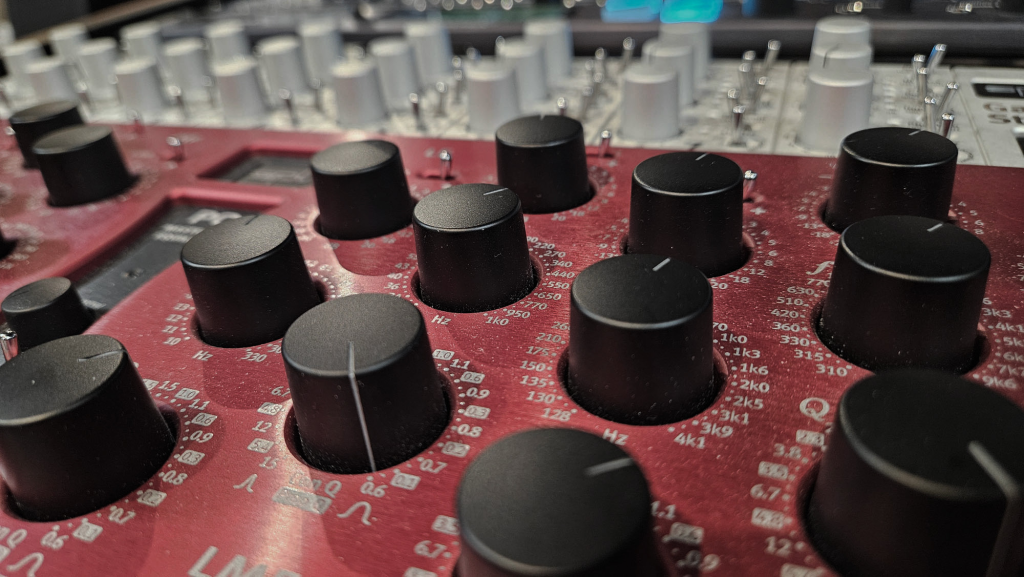
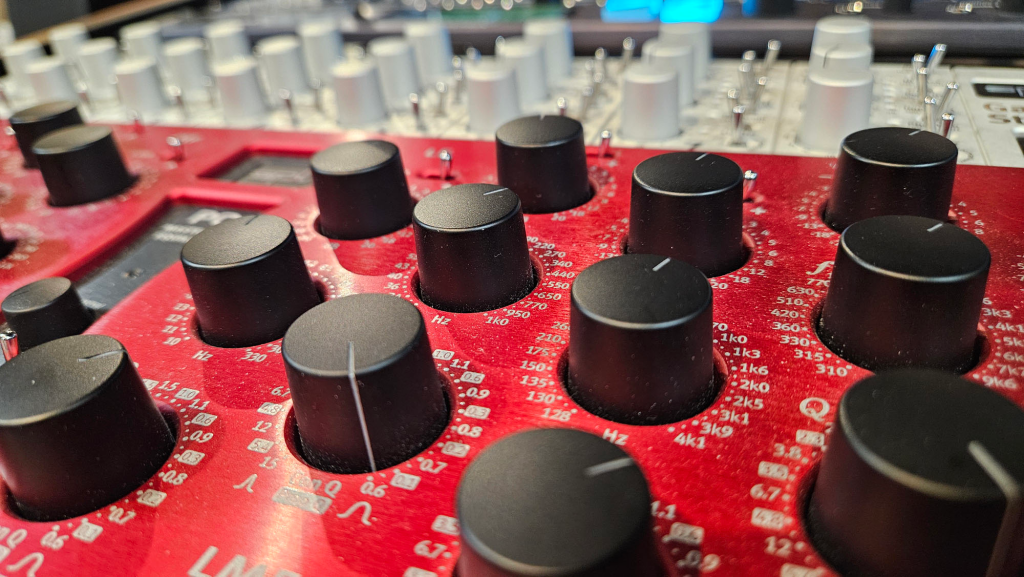
This is one of the most common misconceptions in recording today. Home studios have never been more capable. The tools are affordable, accessible, and genuinely good. If equipment were the whole story, everyone with a copy of Pro Tools would be making records that sound like major label releases.
They’re not. And the reason is simple: it’s not about what you have. It’s about what you know how to do with it.
Jim Pavett holds a Bachelor’s degree in Electrical Engineering from the University of Arizona. He has spent 40+ years working across every genre — orchestras, rock bands, folk artists, audiobooks, film and television post-production. He has been featured in Mix, Pro Sound News, and Pro Audio Review magazines, written for national publications, and is regarded internationally as an authority in recording education.
That’s not a plugin. You can’t download it.
The Other Thing Equipment Can’t Fix
Your room.
Acoustic treatment isn’t glamorous… it is everything. An untreated room lies to you — it adds color, smears imaging, hides low-end problems, and makes decisions for you that you don’t know are being made. You can own every piece of gear in Jim’s control room and still get a worse result because your room is working against you.
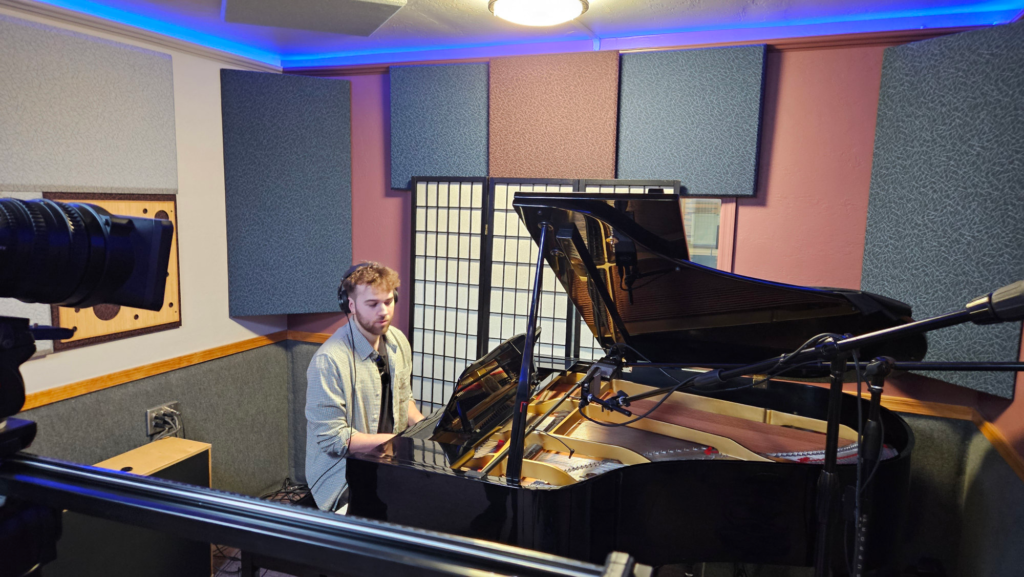
At Allusion Studios, every room has been purpose-built and tuned for critical listening by the world’s top acoustican. What you hear is what’s actually there. That’s what makes the difference between a mix that sounds great in the studio and one that sounds great everywhere.
What a Professional Engineer Brings
Beyond acoustics and experience, there’s one more thing that rarely gets talked about: language.
A lot of recording engineers are not musicians. They understand signal flow and gain staging, but they don’t speak the language of a performer trying to describe what they hear in their head. Jim is a drummer, vocalist, producer, and educator who has worked alongside musicians at every level for four decades. When you say “it needs to feel bigger” or “I want it to breathe more,” he knows exactly what you mean — and exactly what to do about it.
That’s the actual difference.
Allusion Studios · 248 W Elm St, Tucson AZ · 520-622-3895 · allusionstudios.com